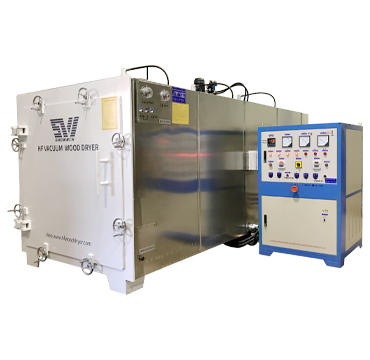
In the competitive lumber industry, maximizing production efficiency is crucial for profitability and sustainability. A critical factor in achieving this efficiency is the drying process of wood, which significantly affects the quality and usability of the final product. Implementing advanced wood drying equipment can enhance the drying process, reduce waste, and improve the overall quality of lumber. This article explores the benefits of efficient wood drying equipment, the different types available, and how to select the right tools for your needs.
The Importance of Efficient Wood Drying
Proper wood drying is essential to prevent defects, reduce weight, and prepare the lumber for further processing. Here are some key reasons why efficient wood drying is crucial:
- Prevention of Defects: Proper drying minimizes issues like warping, splitting, and shrinkage, which can compromise the structural integrity of the wood.
- Weight Reduction: Dry wood is significantly lighter than its green counterpart, making it easier and cheaper to transport.
- Enhanced Quality: Well-dried wood ensures better paint adhesion and finishes, enhancing the aesthetic value of the final product.
Types of Wood Drying Equipment
Choosing the right wood drying equipment is vital for achieving desired results. Here are some common types of drying equipment:
Conventional Kilns
Conventional kilns use steam or hot water to heat the wood, with fans circulating the air to expedite the drying process. They are effective for high-volume drying and are widely used in the industry.
Dehumidification Kilns
These kilns use a dehumidifier to remove moisture from the wood. They are energy-efficient and particularly suitable for smaller operations or operations prioritizing energy savings.
Vacuum Kilns
Vacuum kilns operate under reduced pressure, which lowers the boiling point of water and speeds up the drying process. They are ideal for high-quality wood requiring precise drying conditions.
Solar Kilns
Solar kilns harness solar energy to dry wood. They are eco-friendly and cost-effective, though they depend on weather conditions and may not be suitable for large-scale production.
Selecting the Right Equipment
Selecting the right wood drying equipment depends on several factors:
- Production Volume: Higher production volumes may require large kilns, while smaller operations might benefit from compact or portable units.
- Energy Consumption: Consider energy-efficient options like dehumidification or solar kilns to reduce operational costs.
- Quality Requirements: For high-end applications, vacuum kilns might be necessary to meet stringent quality standards.
Benefits of Investing in Advanced Wood Drying Equipment
Investing in advanced wood drying equipment can offer numerous advantages:
- Increased Efficiency: Modern equipment significantly reduces drying times, allowing for quicker turnover and higher production rates.
- Cost Savings: Efficient drying processes minimize energy consumption and reduce the risk of costly defects and rework.
- Improved Product Quality: Advanced control systems ensure uniform drying, enhancing the final product’s quality and market value.
For more information on selecting and maintaining the right wood drying equipment, consider seeking advice from industry experts or visiting specialized equipment suppliers. Making informed decisions will ensure that production processes are efficient, sustainable, and aligned with business goals.