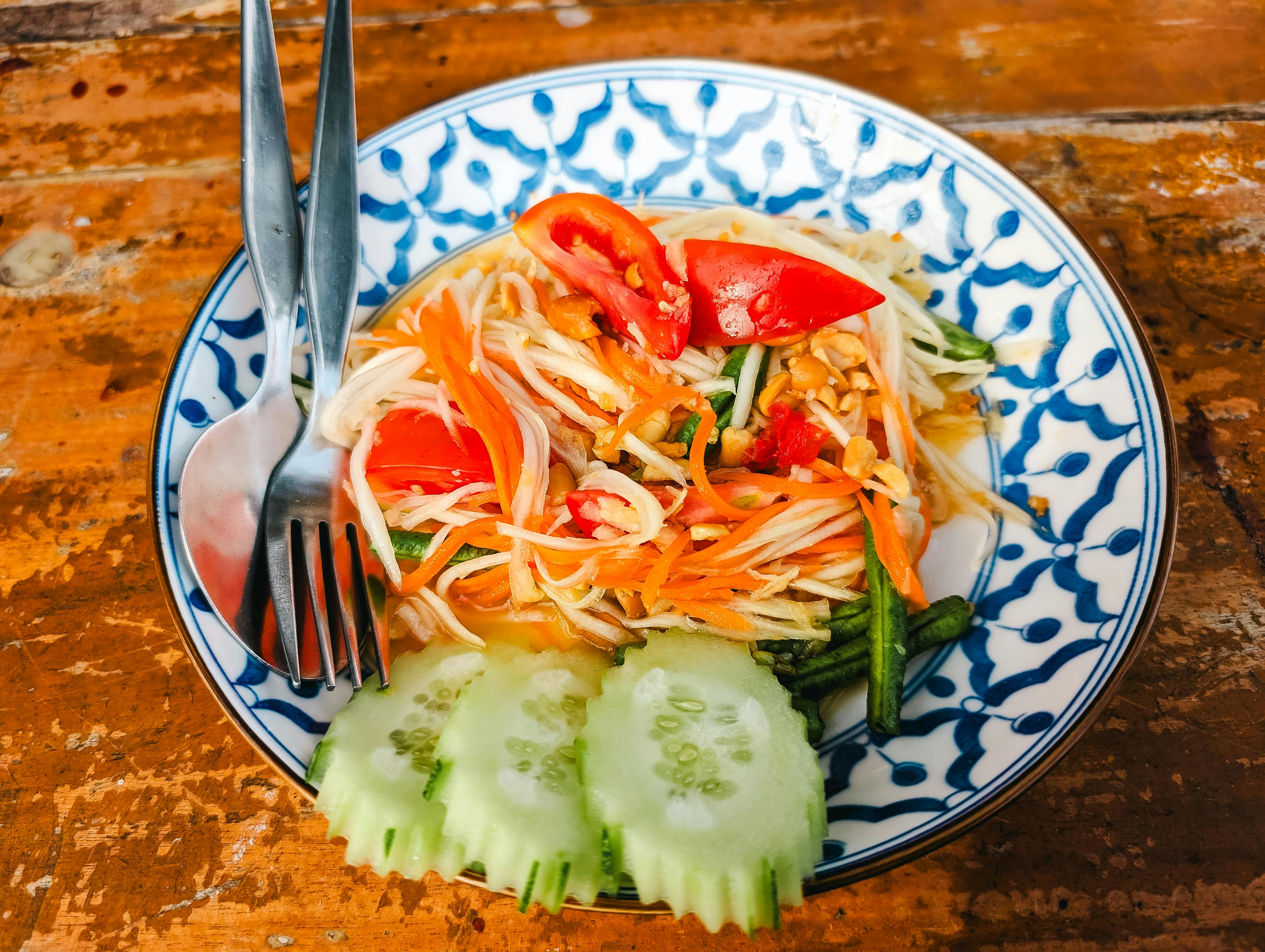
Thai cuisine is renowned for its vibrant flavors and aromatic spices, offering a gastronomic adventure that captivates the senses. Crafting a memorable Thai cuisine menu experience requires a blend of authenticity, creativity, and a deep understanding of the cultural nuances that make Thai food so distinctive. This article explores the essential elements that contribute to a unique and unforgettable Thai dining experience, ensuring that patrons are not only satisfied but also inspired by the culinary journey.
Understanding the Core Elements of Thai Cuisine
To create a unique thai cuisine menu, it is crucial to grasp the core elements that define Thai food. These elements include:
- Balance of Flavors: Thai dishes are celebrated for their harmonious blend of sweet, sour, salty, and spicy flavors. Each dish should be carefully balanced to ensure that no single flavor dominates.
- Fresh Ingredients: The use of fresh herbs and spices, such as lemongrass, galangal, and kaffir lime leaves, is essential for authentic Thai cuisine.
- Traditional Techniques: Incorporating traditional cooking methods, such as stir-frying and slow simmering, can enhance the authenticity of the dishes.
Designing a Diverse Thai Restaurant Menu
A well-curated thai restaurant menu should offer a range of dishes that cater to various tastes and dietary preferences. Consider the following aspects to ensure diversity:
Incorporating Classic Dishes
Classic dishes are the cornerstone of any Thai menu. They provide a foundation of traditional thai cuisine that patrons expect. Some must-have classics include:
- Pad Thai: A stir-fried noodle dish with a delightful combination of textures and flavors.
- Tom Yum Soup: A hot and sour soup that is both invigorating and comforting.
- Green Curry: A rich and creamy curry with a vibrant green hue, typically served with chicken or tofu.
Introducing Regional Specialties
To enhance the menu’s uniqueness, consider adding regional specialties that showcase the diversity of Thai cuisine. This approach not only educates diners but also highlights the rich culinary heritage of Thailand. Some regional specialties include:
- Som Tum: A spicy papaya salad originating from the northeastern region.
- Khao Soi: A northern Thai coconut curry noodle soup with a complex flavor profile.
- Massaman Curry: A southern Thai curry with Persian influences, known for its mild and slightly sweet flavors.
Enhancing the Dining Experience
The dining experience extends beyond the food itself. A memorable Thai cuisine menu experience is also shaped by the atmosphere and service provided. Key considerations include:
- Ambiance: Creating an ambiance that reflects the warmth and hospitality of Thailand can elevate the dining experience. Consider incorporating traditional Thai decor elements and soothing background music.
- Service Excellence: Attentive and knowledgeable staff can enhance the dining experience by guiding patrons through the menu and making personalized recommendations.
- Presentation: The visual appeal of the dishes should not be overlooked. Aesthetically pleasing presentations can enhance the overall enjoyment of the meal.
Conclusion
Crafting a thai restaurant dishes menu experience that is both authentic and innovative requires a careful balance of tradition and creativity. By understanding the core elements of Thai cuisine, designing a diverse menu, and enhancing the overall dining experience, restaurants can create a memorable journey that leaves a lasting impression on their guests. Ultimately, the goal is to offer a culinary experience that not only satisfies the palate but also celebrates the rich cultural tapestry of Thailand.