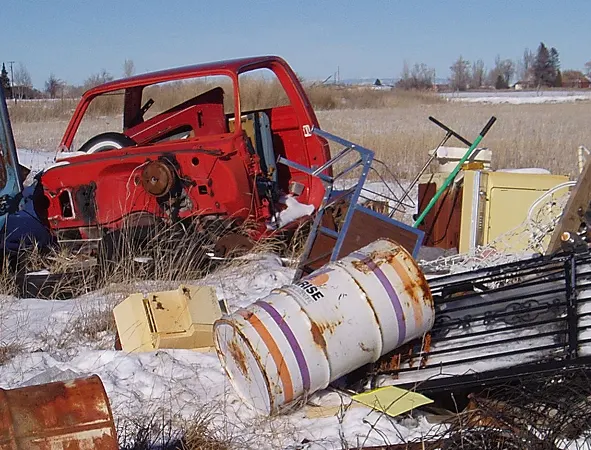
Environmental remediation services play a crucial role in restoring contaminated sites to a safe and healthy condition. These services are essential in mitigating the detrimental effects of industrial, commercial, and residential pollution on the environment. With the increasing awareness of environmental issues, the demand for effective remediation services has grown significantly. This article provides an in-depth look into the various aspects of environmental remediation services, their importance, and the processes involved.
Understanding Environmental Remediation
Environmental remediation refers to the process of cleaning up polluted sites to protect human health and restore the environment. This involves the removal of contaminants from soil, groundwater, sediment, or surface water. The goal is to reduce pollution to levels that are safe for humans and the ecosystem. Remediation services are critical in addressing issues like hazardous waste spills, oil spills, and industrial discharges.
Key Components of Environmental Remediation
- Site Assessment: This initial phase involves evaluating the extent and type of contamination. Site assessments are vital for determining the appropriate remediation strategy.
- Remediation Planning: Developing a comprehensive plan that outlines the remediation approach, timeline, and resources required.
- Implementation: This stage involves executing the remediation plan, which may include physical removal, chemical treatment, or biological methods.
- Monitoring and Maintenance: Post-remediation activities to ensure the site remains free from contaminants. Ongoing monitoring is critical for long-term success.
Common Methods of Remediation
There are several methods employed in environmental remediation. The choice of method depends on the type of contaminant, the extent of pollution, and the characteristics of the site.
Soil Remediation Techniques
- Bioremediation: Utilizes microorganisms to break down pollutants in the soil. This method is eco-friendly and cost-effective.
- Soil Vapor Extraction: Involves extracting volatile contaminants from the soil using vacuum technology.
- Thermal Treatment: Heat is applied to the contaminated soil to evaporate pollutants, which are then collected and treated.
Groundwater Remediation Approaches
- Pump and Treat: Involves pumping contaminated groundwater to the surface, treating it, and discharging clean water back into the environment.
- In-Situ Treatment: Directly treats contamination in the groundwater without extracting it from the ground. Read more about this topic at this guide.
- Permeable Reactive Barriers: Uses a reactive material to intercept and treat contaminated groundwater as it flows through.
The Importance of Environmental Remediation
Environmental remediation is vital for several reasons:
- Protects human health by reducing exposure to harmful contaminants.
- Preserves biodiversity and natural habitats by restoring ecosystems.
- Enhances community well-being by revitalizing contaminated areas for safe use.
- Ensures regulatory compliance and avoids legal liabilities associated with environmental pollution.
For those interested in the intricacies of environmental remediation, explore further insights here.
Conclusion
Environmental remediation services are essential for maintaining the health and safety of our environment. With advancements in technology and a deeper understanding of ecological impacts, these services continue to evolve, offering innovative solutions to complex pollution problems. For a detailed understanding of various environmental remediation strategies, find additional information here.