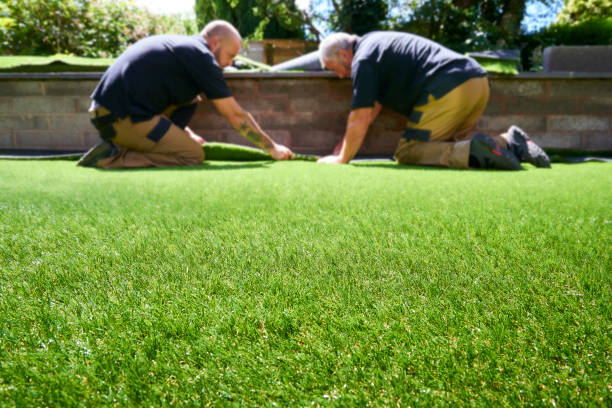
In a city like Dubai, where the climate can be challenging for maintaining vibrant natural landscapes, artificial landscaping offers a practical and aesthetically pleasing solution. As urban spaces expand and the demand for sustainable practices grows, transforming outdoor areas with artificial landscapes has become a popular trend. The integration of artificial elements not only enhances the beauty of spaces but also reduces maintenance efforts and water consumption.
Understanding Artificial Landscaping
Artificial landscaping involves the use of synthetic materials to create visually appealing outdoor spaces. These materials are designed to mimic natural elements such as grass, plants, and even trees, offering a durable and long-lasting alternative to natural counterparts.
Benefits of Artificial Landscaping
- Low Maintenance: Requires minimal upkeep compared to natural landscapes, saving time and resources.
- Water Conservation: Drastically reduces the need for irrigation, making it an eco-friendly option in arid regions.
- Durability: Withstands harsh weather conditions, maintaining its appearance throughout the year.
- Cost-Effective: Though initial investment may be higher, the long-term savings on maintenance and water bills can be substantial.
Applications in Various Settings
Artificial landscaping finds its place in a variety of settings, enhancing the aesthetics and functionality of different environments.
Residential Spaces
Homeowners can benefit from artificial landscaping by creating lush gardens or rooftop terraces without the burden of constant upkeep. The versatility of artificial landscaping in Dubai allows for customized designs that can transform any residential area into a green oasis.
Commercial Properties
For commercial properties, artificial landscapes offer an attractive and low-maintenance solution that can enhance the curb appeal of office buildings, shopping centers, and hotels. These spaces can leverage the aesthetic benefits without the labor-intensive care required by natural landscapes.
Public Spaces
Public parks, playgrounds, and recreational areas can all benefit from artificial landscaping. The durability and safety features of synthetic materials make them ideal for areas with high foot traffic, ensuring that these spaces remain inviting and well-maintained.
Choosing the Right Materials
Selecting the appropriate materials is crucial for the success of any artificial landscaping project. Quality materials ensure longevity and a natural appearance that can withstand the unique challenges of the Dubai climate.
- Artificial Grass: Opt for UV-resistant grass that can handle direct sunlight without fading.
- Synthetic Plants and Trees: Choose materials that mimic the texture and color of real foliage.
- Infill Materials: Use sand or rubber infill to enhance the stability and cushioning of artificial grass installations.
Installation and Maintenance Tips
While artificial landscapes require less maintenance than natural ones, proper installation and occasional upkeep are still necessary to keep them looking their best.
- Professional Installation: Engage experienced professionals to ensure proper installation for durability and aesthetics.
- Regular Cleaning: Dust and debris can accumulate, so periodic cleaning with a leaf blower or broom is recommended.
- Inspection: Regularly check for any signs of wear and tear, addressing any issues promptly to maintain the landscape’s integrity.
Conclusion
Transforming outdoor spaces with artificial landscaping offers numerous benefits, from aesthetic enhancement to environmental sustainability. As the demand for innovative and efficient landscaping solutions grows, the integration of synthetic materials in urban environments like Dubai continues to provide a practical and appealing alternative to traditional landscaping methods. By carefully selecting materials and following best practices in installation and maintenance, one can create stunning landscapes that thrive even in challenging climates.